

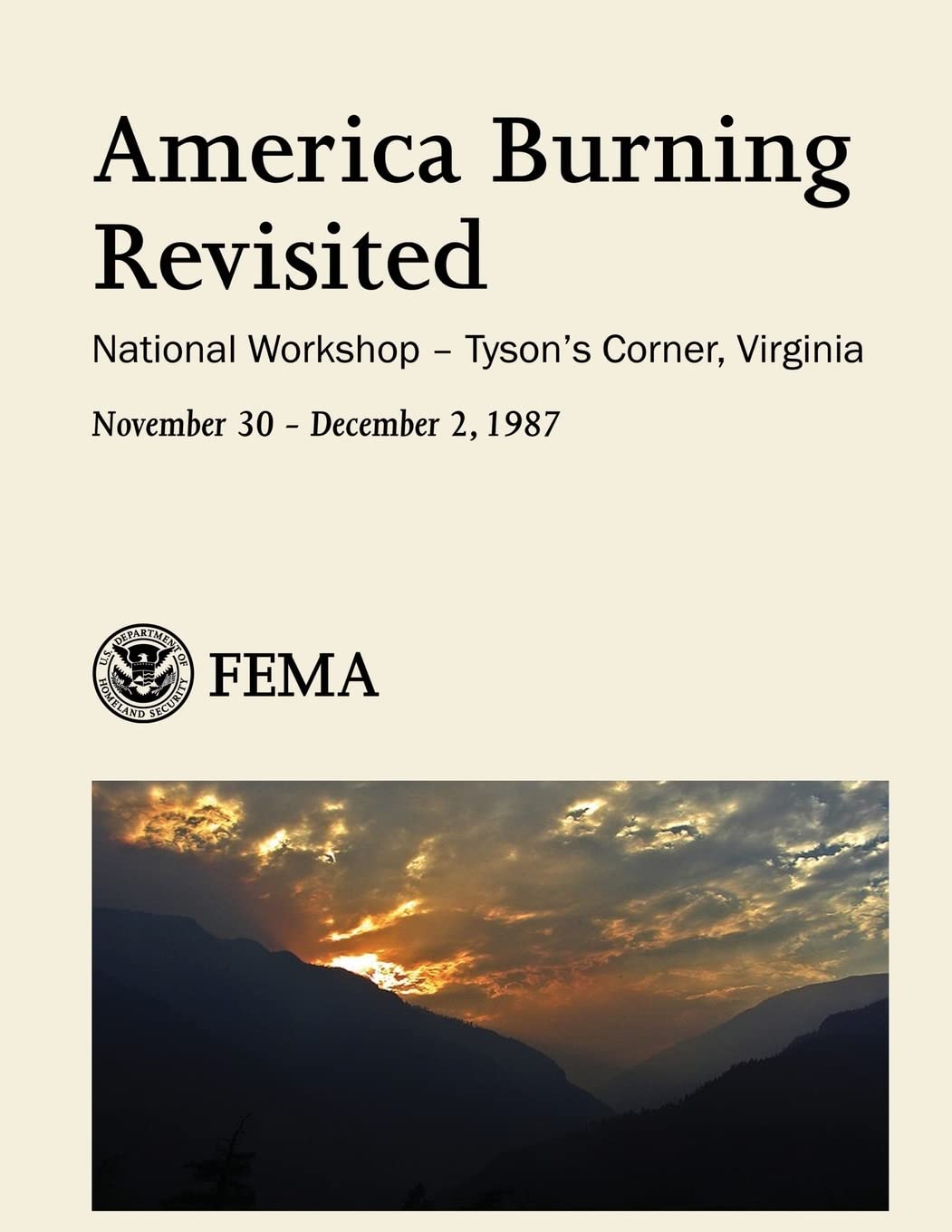
Risk Management Series: Safe Rooms and Shelters - Protecting People Against Terrorist Attacks (FEMA 453 / May 2006)
Product details
| Management number | 231630095 | Release Date | 2026/06/18 | List Price | US$9.60 | Model Number | 231630095 | ||
|---|---|---|---|---|---|---|---|---|---|
| Category | |||||||||
This manual is intended to provide guidance for engineers, architects, building officials, and property owners to design shelters and safe rooms in buildings. It presents information about the design and construction of shelters in the work place, home, or community building that will provide protection in response to manmade hazards. The information contained herein will assist in the planning and design of shelters that may be constructed outside or within dwellings or public buildings. These safe rooms will protect occupants from a variety of hazards, including debris impact, accidental or intentional explosive detonation, and the accidental or intentional release of a toxic substance into the air. Safe rooms may also be designed to protect individuals from assaults and attempted kidnapping, which requires design features to resist forced entry and ballistic impact. This covers a range of protective options, from low-cost expedient protection (what is commonly referred to as sheltering-in-place) to safe rooms ventilated and pressurized with air purified by ultra-high-efficiency filters. These safe rooms protect against toxic gases, vapors, and aerosols. The contents of this manual supplement the information provided in FEMA 361, Design and Construction Guidance for Community Shelters and FEMA 320, Taking Shelter From the Storm: Building a Safe Room Inside Your House. In conjunction with FEMA 361 and FEMA 320, this publication can be used for the protection of shelters against natural disasters. This guidance focuses on safe rooms as standby systems, ones that do not provide protection on a continuous basis. To employ a standby system requires warning based on knowledge that a hazardous condition exists or is imminent. Protection is initiated as a result of warnings from civil authorities about a release of hazardous materials, visible or audible indications of a release (e.g., explosion or fire), the odor of a chemical agent, or observed symptoms of exposure in people. Although there are automatic detectors for chemical agents, such detectors are expensive and limited in the number of agents that can be reliably detected. Furthermore, at this point in time, these detectors take too long to identify the agent to be useful in making decisions in response to an attack. Similarly, an explosive vehicle or suicide bomber attack rarely provides advance warning; therefore, the shelter is most likely to be used after the fact to protect occupants until it is safe to evacuate the building. Two different types of shelters may be considered for emergency use, standalone shelters and internal shelters. A standalone shelter is a separate building (i.e., not within or attached to any other building) that is designed and constructed to withstand the range of natural and manmade hazards. An internal shelter is a specially designed and constructed room or area within or attached to a larger building that is structurally independent of the larger building and is able to withstand the range of natural and manmade hazards. Both standalone and internal shelters are intended to provide emergency refuge for occupants of commercial office buildings, school buildings, hospitals, apartment buildings, and private homes from the hazards resulting from a wide variety of extreme events. The shelters may be used during natural disasters following the warning that an explosive device may be activated, the discovery of an explosive device, or until safe evacuation is established following the detonation of an explosive device or the release of a toxic substance via an intentional aerosol attack or an industrial accident. Standalone community shelters may be constructed in neighborhoods where existing homes lack shelters. Community shelters may be intended for use by the occupants of buildings they are constructed within or near, or they may be intended for use by the residents of surrounding or nearby neighborhoods or designated areas. Read more
| ISBN10 | 1482094517 |
|---|---|
| ISBN13 | 978-1482094510 |
| Language | English |
| Publisher | CreateSpace Independent Publishing Platform |
| Dimensions | 8.5 x 0.6 x 11 inches |
| Item Weight | 1.36 pounds |
| Print length | 262 pages |
| Publication date | January 26, 2013 |
Bestseller ranking
Disaster Relief



Customers who viewed this product also viewed
Brooklyn Nets Auto Accessories
Correction of product information
If you notice any omissions or errors in the product information on this page, please use the correction request form below.
Correction Request Form